Some of the links in this post are affiliate links, which means I might earn a small commission if you decide to buy something—at no extra cost to you. I’m definitely not a professional or expert—just sharing my experiences and items I actually use, like, and believe can help. Check out my disclosure page for more.
I’ve been experimenting with food for a while now—trying to eat “clean,” follow trends, and sometimes overthinking everything. What I’ve found is that certain foods can be interesting additions to a routine aimed at supporting wellness. These are what I’ve incorporated into my own diet, and I’m sharing them in case they spark some ideas for you.
Some of the most noteworthy foods don’t look fancy or trendy. They’re simple, easy to add into everyday meals, and I’ve found that including them in small ways fits more easily into real life.

Join today and receive tips, tricks, and more!
1. Natural Hormone-Balancing Foods
Hormonal ups and downs can affect energy, mood, digestion, and even sleep. Over time, I’ve started experimenting with natural hormone-balancing foods in ways that actually fit into my daily life, and it’s been interesting to notice small differences when I include them. It’s less about perfection and more about building healing foods for lifelong health into routines that feel doable.
Here’s what I actually eat:
- Roasted Carrots with Cinnamon & Ginger – Roasting carrots with a little cinnamon and ginger is my go-to. It makes them sweet and comforting while being an easy, consistent addition to meals. I enjoy them as a side—it’s simple and feels nourishing.
- Chickpeas in Hummus – I don’t eat plain lentils or chickpeas often, but I do enjoy hummus on wraps, with veggies, or as a snack. It’s an easy way to get plant-based protein and fiber without extra prep.
- Potatoes – I love roasted potatoes, especially with a drizzle of olive oil and some herbs. I haven’t tried them cooled yet, but they’re a satisfying staple in my week and feel comforting.
- Tuna & Salmon (Smoked is Delicious) – I rotate in tuna and smoked salmon regularly. It’s simple, flavorful, and a good source of nutrients that fit into natural hormone-balancing foods without feeling like a chore.
- Eggs with Turmeric – Sometimes I scramble eggs with a sprinkle of turmeric for breakfast. Turmeric is often linked to supporting inflammation balance, which can play a role in overall hormone health.
💡 Try This: Add one of these foods to a meal this week—roast some carrots, snack on hummus, or include smoked salmon on toast. These small, consistent steps are ways I bring healing foods for lifelong health into my routine without stress, and they can be part of realistic wellness routines.
2. Foods That Might Help With Discomfort
I’ve been experimenting with ways to feel a little less stiff or sore without leaning on meds all the time. While I can’t promise results, I’ve noticed that including certain foods in my routine seems to make my week feel a bit smoother. These are all part of the healing foods for lifelong health I like to rotate in.
Here’s what I actually eat:
- Tart Cherry Juice – I sip a small glass in the evening now and then. Tart cherries are often noted for compounds called anthocyanins, which some people say can help with mild joint discomfort. I just enjoy the tart flavor and the ritual of a relaxing drink.
- Pineapple – I include fresh or lightly cooked pineapple sometimes, especially after meals or as a sweet snack. Pineapple contains bromelain, an enzyme that people often mention for supporting digestion and mild swelling.
💡 Try This: Pick one of these foods and add it to your routine for a few days—like a small glass of tart cherry juice in the evening or a bit of smoked salmon for lunch. It’s a simple, realistic way I incorporate natural hormone-balancing foods into everyday meals, and it can fit into your own realistic wellness routines too.
🛒 Gut health
3. Foods That Support Relaxing Evenings
Sleep can be tricky, and instead of relying on anything strong, I’ve started experimenting with a few foods that improve sleep naturally. I can’t promise perfect nights, but I’ve noticed that including certain foods in my routine seems to make evenings feel calmer. These are part of the healing foods for lifelong health I rotate in.
Here’s what I actually eat or plan to try:
- Tart Cherry Juice – I drink a small glass in the evening most nights. Tart cherries are often mentioned for compounds that support melatonin, and for me, it’s a nice ritual that signals winding down.
- Pumpkin Seeds – I sprinkle a handful over yogurt or oatmeal in the evening. They’re rich in magnesium and GABA, which some people associate with relaxation and calmness.
- Kiwis & Bananas – I haven’t tried these every night yet, but I’m planning to experiment with having them before bed. Kiwis are often noted for melatonin and serotonin support, and bananas contain potassium and vitamin B6, which may help maintain stable blood sugar overnight.
- Teas – Chamomile, spearmint, echinacea, and raspberry leaf teas are easy evening rituals that feel calming.
💡 Try This: Pick one of these foods—like tart cherry juice, pumpkin seeds, or a banana before bed—and add it to your evening routine. It’s a simple, realistic way I incorporate foods that improve sleep naturally into my week, and it could fit into your own realistic wellness routines too.
🛒 For restful evenings
4. Foods That Can Complement Immunity
I’ve been paying more attention to foods that are often talked about for supporting immunity and gut health. While I can’t promise they’ll prevent anything, I’ve noticed that including them in my meals can help. These are part of the healing foods for lifelong health I like to rotate in.
Here’s what I actually eat:
- Garlic – I chop a clove and let it sit for a few minutes before adding it to meals. Garlic is often mentioned for compounds that support a healthy immune system and gut balance. I enjoy the flavor it adds to cooking.
- Raw Honey – I drizzle raw honey on toast or into tea. Honey, especially Manuka, is noted for antibacterial properties and is just a sweet, simple addition to meals or snacks.
- Oregano – I occasionally add a drop to recipes or tea. Oregano oil is often discussed for supporting respiratory and digestive wellness, and it adds a nice herbal flavor.
- Fermented Pickles – I enjoy these as a crunchy snack or side. Fermented foods contain probiotics that some people use to support digestion and gut balance.
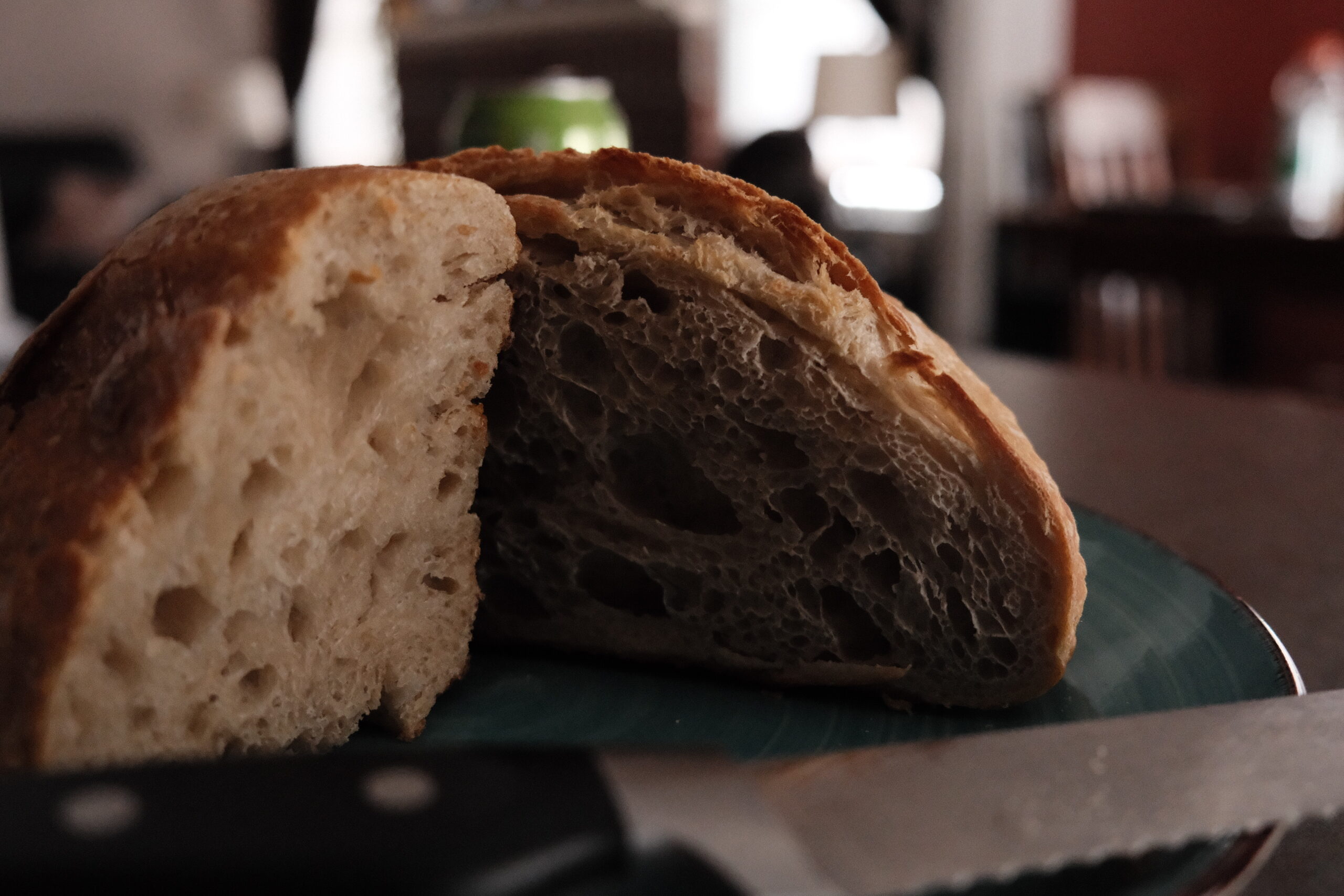
- Sourdough Bread – I choose naturally fermented sourdough, which is often gentler on digestion and may support gut bacteria more than standard bread.
- Yogurt (plain or with chocolate chips) – I eat it as a snack or dessert. Yogurt contains protein and probiotics, and adding a few chocolate chips makes it feel like a treat while still contributing to gut support.
- Rice with Greek Yogurt – A simple snack or breakfast option. Mixing rice with yogurt makes a creamy, protein-rich combo that’s easy to rotate into meals.
💡 Try This: Pick one of these foods—garlic in a stir-fry, a drizzle of honey, or a few fermented pickles—and add it to a meal this week. It’s a simple, realistic way I include healing foods for lifelong health in my routine.
Rooted Reflection: Exploring Food for Wellness
Instead of aiming for perfection or trying to eat every “superfood” on a list, I’ve found it’s way more manageable—and actually kind of fun—to experiment with foods that support wellness. These small explorations can be a way to bring healing foods for lifelong health into your routine without stress.
Here are some ideas you might consider:
- Swap in a new veggie or flavor combination – Roasted carrots with warming spices like cinnamon or ginger, or adding turmeric to roasted potatoes, can make simple meals feel exciting. Even small tweaks like this let you explore natural hormone-balancing foods in a realistic way.
- Add a snack or mini-meal that targets a specific goal – Try a handful of pumpkin seeds in yogurt for evening calm, or a small glass of tart cherry juice after dinner. These little additions are low-pressure ways to explore foods that improve sleep naturally.
- Rotate in seasonal or fresh ingredients – Summer berries, winter squash, or fermented pickles can bring variety and flavors you might not normally eat. Switching things up keeps meals interesting and lets you notice what feels good over time.
- Experiment with preparation methods – Roasting, lightly steaming, or even chilling foods like potatoes or rice can change flavors and textures—and some people find it makes them more enjoyable or easier to digest.
- Pair foods with enjoyable routines – Having raw honey in tea, hummus with snacks, or smoked salmon for breakfast isn’t about “perfect nutrition,” it’s about creating small rituals that feel satisfying while including healing foods for lifelong health in real life.
💡 Try This: Pick one new food or way of preparing food this week, just to see how it fits into your lifestyle. Maybe it’s adding a pinch of cinnamon to roasted veggies, sipping tart cherry juice, or experimenting with a banana before bed. It’s about trying options, noticing what feels good, and keeping it simple.
The key is curiosity, not perfection. Exploring healing foods for lifelong health can be flexible, enjoyable, and fit right into your life—no stress, no strict rules, just small steps you might actually stick with.
Kirsten
🎁 3 FREE Guides to Jumpstart Your Wellness Journey
Ready to feel your best — mind, body, and spirit?
Grab my free 3-in-1 Wellness Bundle, including:
7-Day Clean Eating Plan
7-Day Mental Wellness Plan
7-Day Beginner Workout Plan
✨ Plus a Secret Bonus!