
Some of the links in this post are affiliate links, which means I might earn a small commission if you decide to buy something—at no extra cost to you. I’m definitely not a professional or expert—just sharing my experiences and items I actually use, like, and believe can help. Check out my disclosure page for more.
Tired of the rules, guilt, and endless starting over?
If you’ve ever sworn off carbs, downloaded another macro tracker, or white-knuckled your way through a sugar detox, you’re not alone. Diet culture thrives on all-or-nothing thinking, and it’s exhausting, and not to mention, completely unsustainable.
But here’s the truth: you don’t need another diet—you need a balanced intuitive eating plan that actually supports your real life. One that helps you feel energized, satisfied, and free. Yes, free from tracking every bite and obsessing over “good” vs. “bad” food.
Ready to learn how to stop dieting for good—without losing your mind? Let’s do this step by step.
Why Diets Don’t Work (and What to Do Instead)
The diet industry wants you stuck in a loop—restrict, binge, repeat. But most diets don’t teach you how to listen to your body. They teach you how to ignore it.
The 3 Biggest Diet Fails:
- They disconnect you from your body
You’re following rules instead of actual hunger/fullness cues. - They increase cravings and overeating
Restriction often leads to binge cycles. - They don’t create long-term habits
You end up reliant on apps, points, or rigid plans that don’t match real life.
💡 What’s the fix? Well, a flexible, balanced intuitive eating plan that nourishes you physically and emotionally—without guilt or obsession.
Step 1: Tune Back Into Hunger & Fullness
Most diets override your body’s natural signals. Part of learning how to stop dieting for good is rebuilding that internal connection.
Here’s How:
- Use a hunger scale (1 = starving, 10 = painfully full). Eat around a 3–4, stop around a 6–7. This can stop binging and overeating.
- Ask yourself, “Am I physically hungry—or just bored, stressed, or tired?”
- Eat slowly and check in halfway through. Still hungry? Cool. Satisfied? You’re done.
- Put your utensil down between chewing. Eating too fast can lead to uncomfortably full moments.
- Try eating protein and veggies first, then carbs.
💡 Try This: Before your next meal, rate your hunger before and after. This simple check-in rebuilds body trust.
Step 2: Build Balanced Meals (No Counting Required)
You don’t need a macro calculator. You just need balance.
A solid balanced intuitive eating plan includes:
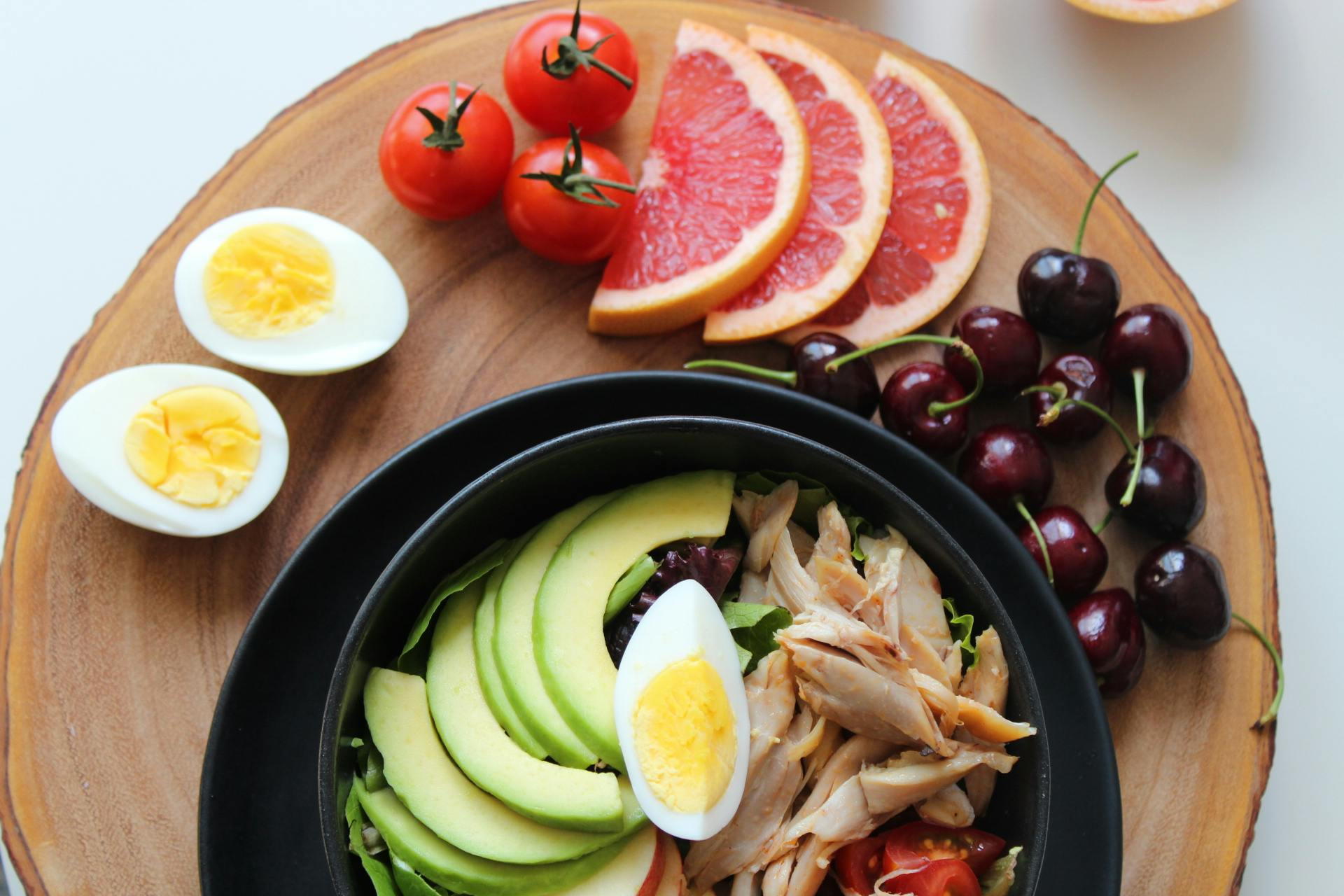
Protein for muscle + metabolism (chicken, tofu, eggs)
Healthy fats for hormones + stable energy (avocado, olive oil, nuts)
Fiber-rich carbs for digestion + satisfaction (quinoa, sweet potatoes, fruit)
Why Balance Matters:
- All carbs = energy crash
- All fat = sluggish digestion
- All protein = brain fog
💡 Try This: Instead of tracking, just ask: “Do I have protein, fat, and fiber on my plate?” That’s the whole game.
Step 3: Make Peace with “Off-Limits” Foods
When you stop labeling foods as “bad,” they lose their emotional charge. Want to know how to stop dieting for good? You stop fighting with food.
Try This Approach:
- Ditch moral language—food isn’t “good” or “bad,” it’s just food.
- Practice food neutrality—eat the cookie without making it a big deal.
- Prioritize satisfaction. When you enjoy your food, you don’t need to overeat it.
💡 Try This: Choose one “forbidden” food this week and eat it mindfully. Don’t rush. Don’t restrict afterward. Just notice how it feels.
🎁 3 FREE Guides to Jumpstart Your Wellness Journey
Ready to feel your best — mind, body, and spirit?
Grab my free 3-in-1 Wellness Bundle, including:
7-Day Clean Eating Plan
7-Day Mental Wellness Plan
7-Day Beginner Workout Plan
✨ Plus a Secret Bonus!
Step 4: Address Emotional Eating (Without Restriction)
Food is more than fuel—it’s love, comfort, celebration. But when it’s your only tool for dealing with stress or boredom, it becomes a problem.
Signs You’re Emotionally Eating:
- It hits suddenly (not gradually like physical hunger)
- You crave specific foods (usually sugar, salt, or carbs)
- You keep eating past fullness and feel guilt after
What Helps Instead:
- Name the real emotion: “What do I actually need right now?”
- Try non-food comforts first: music, journaling, calling a friend, going for a walk
- Eat enough during the day—emotional eating often starts with under-fueling
💡 Try This: The next time you crave junk food out of nowhere, pause. Set a 5-minute timer and go do something else. If you’re still hungry after, eat it without guilt.
Winding Down: You’re Allowed to Feel Good in Your Body
A balanced intuitive eating plan isn’t about being “perfect.” It’s about being human—your body, your needs, your intuition. And it’s the most sustainable path to feeling free around food again.
Here’s your blueprint for how to stop dieting for good:
Tune into hunger and fullness—not calorie math
Build balanced, satisfying meals—not restrictive plans
Let go of food rules and guilt
Learn your emotional triggers and new tools for handling them
💡 What’s one old diet rule you’re tossing in the trash today? Drop a comment—I’d love to know.
My diet rule that I’m tossing is healthy desserts! They usually don’t taste that good and don’t hit the sweet spot. Sure, have a gooey chocolate chip cookie once in a while, and enjoy it!
👉 Subscribe to the Wohl Weekly for grounded, no-BS tips on intuitive eating, hormone health, and feeling human again.
John 6:35
Kirsten

2 responses to “Ditch the Diet: Build a Balanced Intuitive Eating Plan”
Fantastic!!
Thank you for your interest and supporting the blog!