Some of the links in this post are affiliate links, which means I might earn a small commission if you decide to buy something—at no extra cost to you. I’m definitely not a professional or expert—just sharing my experiences and items I actually use, like, and believe can help. Check out my disclosure page for more.
What If Your Body Craved Different Foods for a Reason?
Ever notice how a juicy watermelon hits differently on a hot July afternoon but sounds “meh” when there’s snow on the ground? Or how a rich soup and roasted carrots feel like exactly what you need in the middle of winter?
That’s not random. Your body naturally leans toward foods that suit the season because nature’s rhythms are designed to support you at different points in the year.
In this seasonal eating guide, we are talking about how to eat seasonally without making it an all-or-nothing lifestyle shift.
Because let’s be real: modern grocery stores have completely changed the game. You can get strawberries in December, apples shipped from halfway around the world, and pumpkin spice in your coffee before summer is technically over.
We cannot (and honestly probably do not want to) go back to only eating what is growing outside our window, but we can pay more attention to what is local and fresh when possible.
Seasonal eating is not about strict rules or food guilt. It is about enjoying food when it tastes its best, supporting your body’s natural needs, and getting variety year round.
You just have to make sure you are still covering all your nutritional bases, especially if a season’s produce does not naturally offer every vitamin and mineral you need.

Join today and receive tips, tricks, and more!
Why Learning How to Eat Seasonally Still Matters (Even If You Do Not Go All In)
Back before supermarkets and global shipping, people ate what was in season because that is what was available. But it was not just about convenience, it was a natural way to nourish the body with the right foods at the right time.
Health Perks of Seasonal Eating
Better Nutrient Density – Produce that is picked when it is naturally ripe tends to have higher vitamin, mineral, and antioxidant levels (Bourn & Prescott, 2002).
Supports Digestion and Immunity – Cooling fruits and watery vegetables shine in summer, while hearty roots and grains help keep you grounded in winter.
Better for the Planet – Choosing local, in season produce means less shipping, fewer pesticides, and a smaller carbon footprint.
💡 Easy Start: At your next grocery trip, pick one fruit and one vegetable that is grown locally this month.
The Wohl Seasonal Eating Guide: Foods and Flavors for Each Season
Spring – Refresh and Rebuild
This season is all about waking up from the deep winter slumber and smelling the fresh rain and blooming flowers. It is when your body naturally shifts toward fresh, light foods- think leafy greens, citrus, and crisp salads. Lean into this by finding out what is growing locally in your area and letting that guide your meals.
Leafy greens like spinach, arugula, and dandelion greens are high in chlorophyll and help support liver detox.
Citrus fruits such as lemons, oranges, and grapefruit are packed with vitamin C to boost immunity and flush out lingering winter sluggishness.
Cruciferous vegetables like broccoli, asparagus, and cauliflower are rich in fiber to reset digestion.
Fresh herbs like parsley, cilantro, and mint bring brightness to your meals while naturally cleansing the blood.
💡 Try This: Build a delicious seedy, citrusy salad for lunch to refresh your body.
Summer – Hydrate and Cool Down
Summer is when life feels brighter, longer, and just a little bit lazier. The air is warm, the sun lingers into the evening, and your body naturally craves foods that help you stay cool and refreshed. Picture juicy watermelon running down your chin, crisp cucumbers straight from the garden, and sweet peaches eaten over the sink.
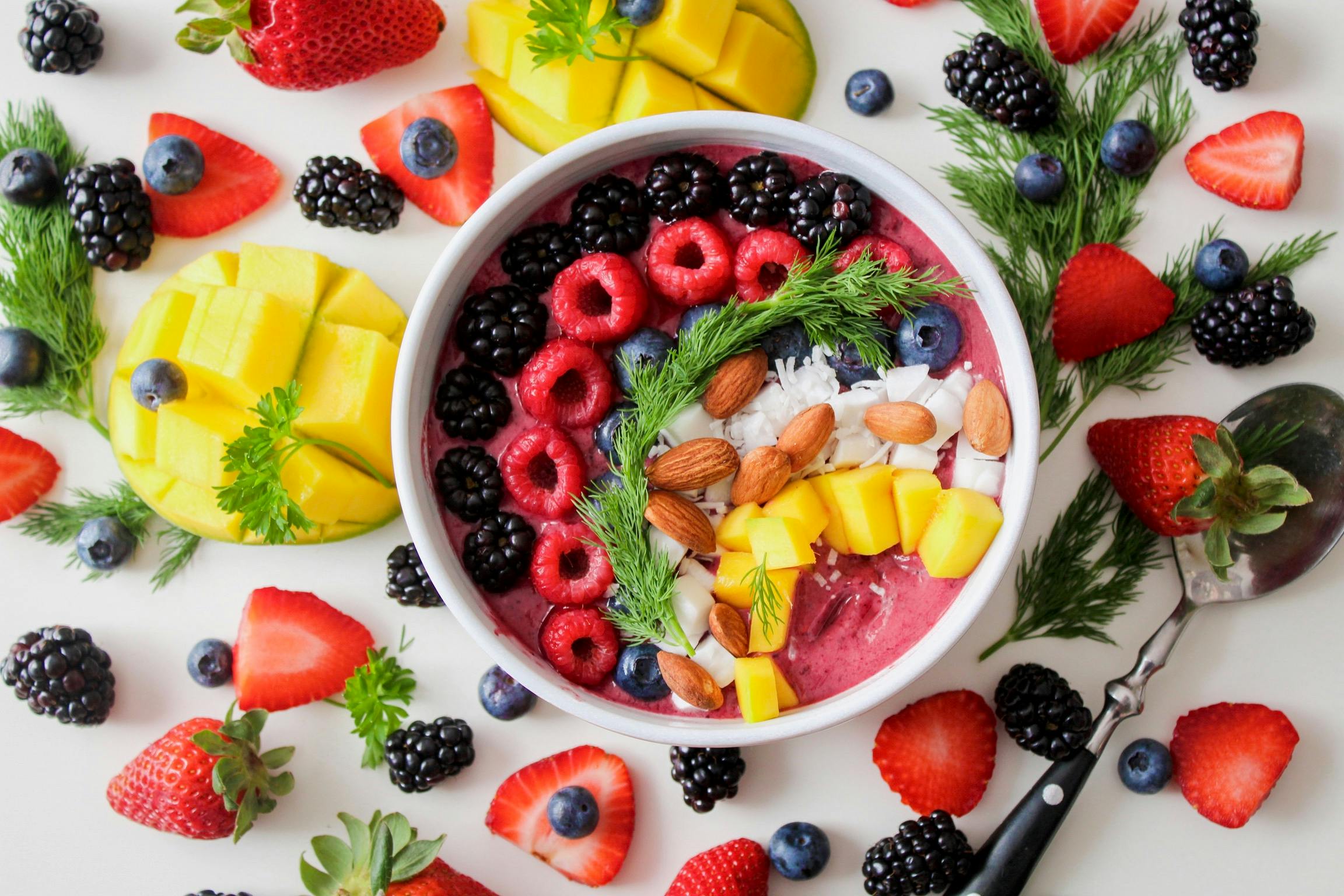
Hydrating fruits like watermelon, berries, and peaches help replenish fluids lost in the summer sun.
Fresh corn and tomatoes are loaded with antioxidants that support your skin and overall energy.
Lighter proteins such as fish, yogurt, and legumes are easier to digest on warm days.
Cooling herbs like basil, mint, and cilantro bring a refreshing burst to salads, drinks, and chilled soups.
💡 Try This: Swap one heavy, hot meal each day for something fresh and cool—like a berry smoothie, cucumber salad, or chilled gazpacho.
Fall – Ground and Strengthen
Fall is that gentle nudge to slow down. The mornings turn crisp, the leaves begin to shift into shades of gold, and you start craving foods that feel like a warm hug. This is the season for cozy, grounding meals that prepare your body for the colder months ahead.
Sweet potatoes, beets, and carrots provide slow-burning energy that keeps you steady throughout the day.
Apples and pears are rich in fiber, supporting digestion as your body adjusts to cooler temperatures.
Squash and pumpkin bring beta carotene for immune support.
Nuts and seeds like walnuts, pumpkin seeds, and flaxseeds offer healthy fats that keep you satisfied and help balance hormones.
💡 Try This: Roast a mix of root vegetables with cinnamon and turmeric for a simple, comforting side dish.
Winter – Nourish and Restore
Winter is the season of quiet strength. The days are shorter, the air is sharp, and your body naturally wants foods that are warm, hearty, and sustaining. It is the time for soups simmering on the stove, bread baking in the oven, and citrus fruits that brighten even the grayest day.
Bone broth and slow-cooked meats provide collagen, minerals, and warmth.
Healthy fats from olive oil and ghee give long-lasting energy.
Ancient grains like quinoa, oats, and barley help keep blood sugar stable.
💡 Try This: Sip bone broth infused with garlic and ginger for a cozy immune-strengthening ritual.
How to Eat Seasonally in Real Life
Seasonal eating is not all or nothing. It is about leaning into what is fresh and local when you can, while still using modern variety to make sure you are getting all the nutrients you need year round.
Simple Ways to Start
Check a seasonal produce guide for your area
Shop at farmers markets, ma and pa grocers, or farm stands
Mix in more seasonal recipes each week
Grow a few herbs, even a small pot on a windowsill counts
Winding Down: A Seasonal Eating Guide for the Modern Kitchen
Learning how to eat seasonally is not about perfection. It is about paying attention to what nature offers, using it to your advantage, and still enjoying the variety that modern life makes possible. You do not have to give up bananas in January or avocados in August.
Think of it like this: lean into the best of each season, keep your plate colorful year round, and let the local harvest guide you when it makes sense. That way you get the best of both worlds — nature’s rhythms and modern convenience.
💡 What is your go to seasonal food right now? I would love to hear in the comments!
Ecclesiastes 3:1,
Kirsten
🎁 3 FREE Guides to Jumpstart Your Wellness Journey
Ready to feel your best — mind, body, and spirit?
Grab my free 3-in-1 Wellness Bundle, including:
7-Day Clean Eating Plan
7-Day Mental Wellness Plan
7-Day Beginner Workout Plan
✨ Plus a Secret Bonus!